Get back to the pages of its creation!
Ramoji Film City, on the Vijayawada highway outside Hyderabad, is both a working film studio and one of the most visited tourist spots in South India. Guinness World Records lists it as the world's largest film studio complex. It began as one man's idea in the mid 1990s and grew into a small town of sets, studios, hotels and gardens. This page tells the story of how it was built, what it holds and how it works today.
The idea behind the film city
Ramoji Rao, the founder of the Eenadu newspaper and the ETV network, was also a film producer through Ushakiran Movies. He saw that film crews in India had to move between many places to finish one film: one city for sets, another for shooting floors, another for editing and sound. He wanted a single campus where a producer could arrive with a script and leave with a finished film. He was also inspired by the big studio parks of the United States that let the public see how films are made.
Building it: from rocky land to studio town
In December 1995 Ramoji Rao bought about 2,000 acres of dry, rocky land near Anajpur, in what is now Ranga Reddy district, about 30 km from Hyderabad city. Construction started right away, and the studio opened in 1996.
The design was led by art director Nitish Roy. His team kept the natural rocks and hills instead of flattening them, and no trees were cut; many more were planted. That is why the roads inside the film city still go up and down the slopes, and why so many sets use the natural landscape as a backdrop. The early investment was reported at around Rs. 100 crore.
What the film city offers filmmakers
The campus is built so that every stage of a film can be done in one place:
- Dozens of sound stages and shooting floors of different sizes.
- Permanent outdoor sets such as city streets, railway stations, airports, temples, palaces, gardens and a jail.
- Prop stores, costume and make-up departments, and set building workshops.
- Post production: editing, dubbing, sound recording, music and preview theatres.
- Hotels, a central kitchen and power sub-stations to support large crews for weeks.
The film city says it can host many productions at the same time, with hundreds of locations and a large pool of trained staff available for hire.
Famous films shot at Ramoji Film City
Films in Telugu, Tamil, Hindi, Kannada, Malayalam, Bengali and other languages have been shot here, along with TV serials, reality shows and advertisements. The best known example is Baahubali. Its huge Mahishmati sets were built inside the film city, and part of the set is now shown to visitors; see our Baahubali set guide. Hindi films such as Krrish 3 used the city street sets, and a few foreign productions have also filmed here.
From studio to tourist attraction
In the early years most of the income came from film shoots, while tourism was a smaller part of the business. Over time this turned around. Today visitors bring in the larger share, and the film city has added many attractions for them:
- A guided studio tour in vintage buses through the sets and gardens.
- Live shows, stunt shows and a film-making demonstration.
- Children's zones, fun rides and a bird park and butterfly park.
- The Sahas adventure zone for outdoor activities. Our Sahas adventure guide has the details.
- Seasonal events such as the summer Holiday Carnival and the winter festival.
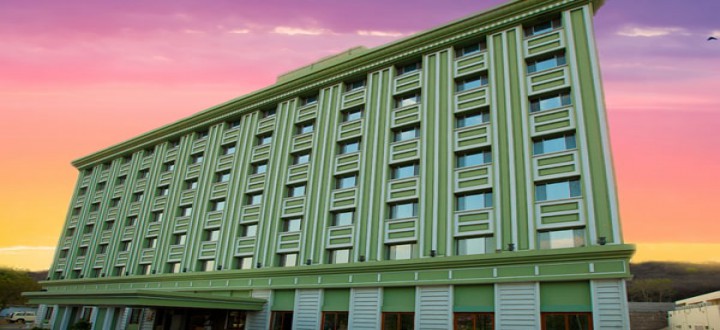
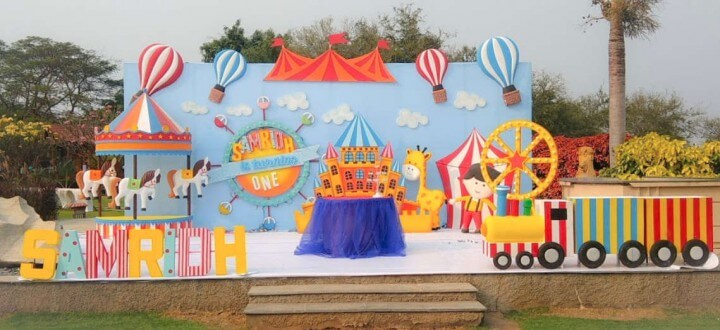
- Hotels for overnight stays, and venues for weddings, parties and corporate events.
Recognition and awards
- Guinness World Records: named the world's largest film studio complex, first recognised in 2005.
- Tourism awards: the film city has received excellence awards from tourism bodies over the years.
- Hygiene ratings: the old version of this page said the kitchens at its hotels are certified for food safety.
People and management
Ramoji Film City gives work to thousands of people, from set carpenters and painters to hotel staff, guides, drivers, security and event planners. The management team plans film shoots, tourist days, events and hotel bookings side by side, which is a big task on busy holiday days. Staff are known for fixed shifts and a disciplined, punctual work culture, and many have worked there for years.
After the founder Ramoji Rao passed away on 8 June 2024, he was cremated with state honours inside the film city, and a memorial for him is planned there. The group continues to run the studio and the tourism business. Read more in our Ramoji Rao biography.
Key dates
| Year | Event |
|---|---|
| 1995 | Land of about 2,000 acres bought near Hyderabad |
| 1996 | Ramoji Film City opens |
| 2005 | Guinness World Records recognises it as the largest film studio complex |
| 2010s | Baahubali sets built; tourism becomes the main business |
| 2024 | Founder Ramoji Rao passes away |
Visit Ramoji Film City
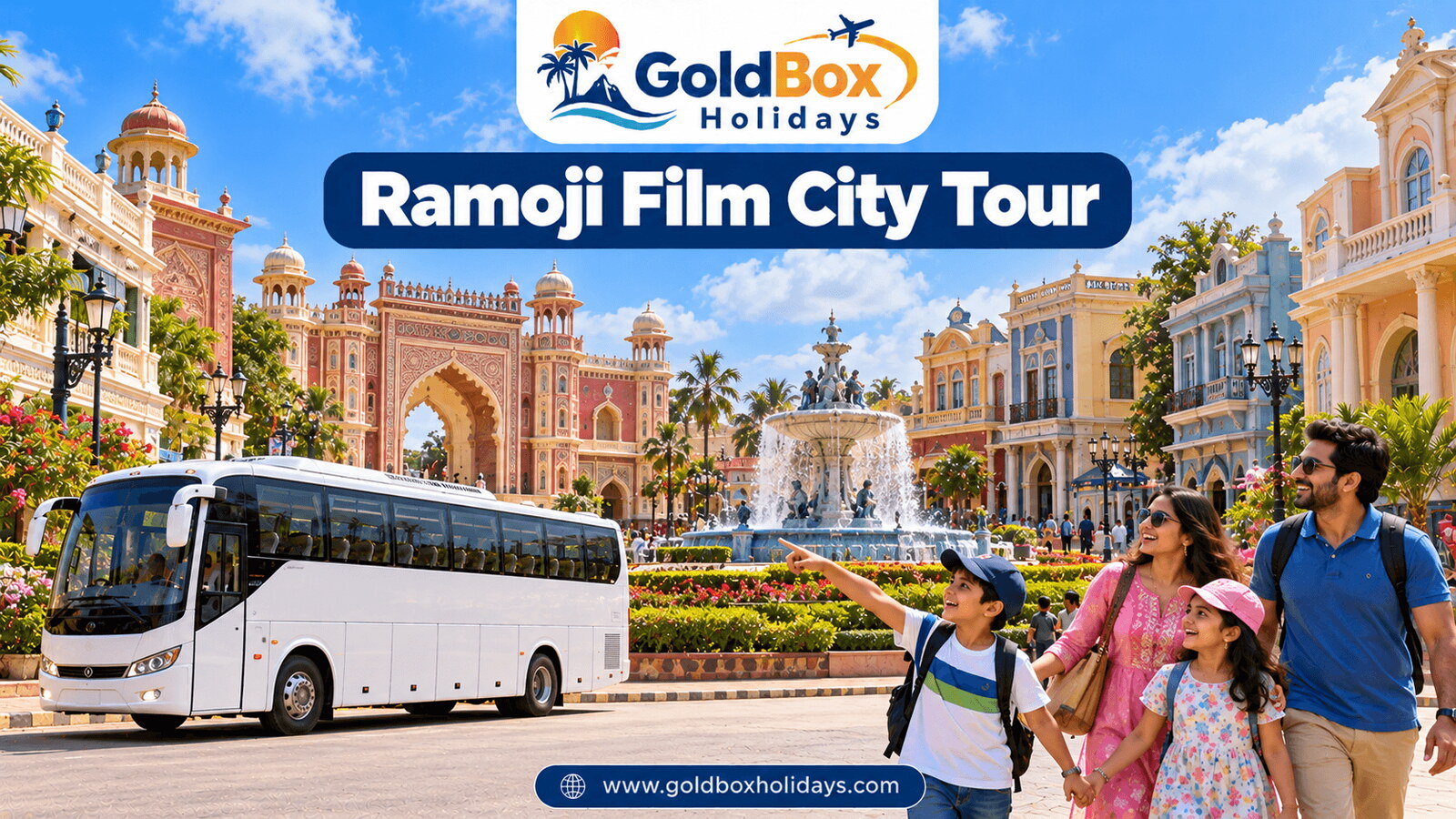
A day at the film city takes you through much of this history: the sets, the studios and the Baahubali set. GoldBox Holidays offers a Ramoji Film City tour with entry tickets and a pickup bus from boarding points across Hyderabad. To add the film city to a longer trip, see our Hyderabad tour packages.
Frequently asked questions
Who built Ramoji Film City?
It was founded by Ramoji Rao, head of the Ramoji Group, and designed by art director Nitish Roy.
When did Ramoji Film City open?
The land was bought in December 1995 and the film city opened in 1996.
How big is Ramoji Film City?
It covers about 2,000 acres, and Guinness World Records lists it as the world's largest film studio complex.
Can tourists watch a film shoot?
Usually not. Areas where shooting is going on are closed to visitors, but the tour shows the sets, studios and a live film-making demonstration.